Tokyo vs Kyoto
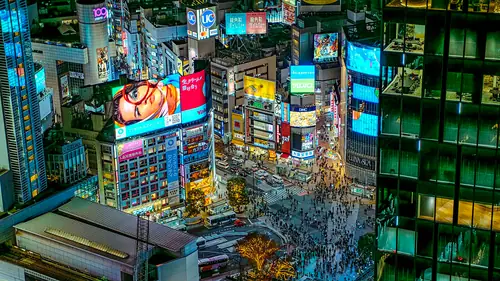
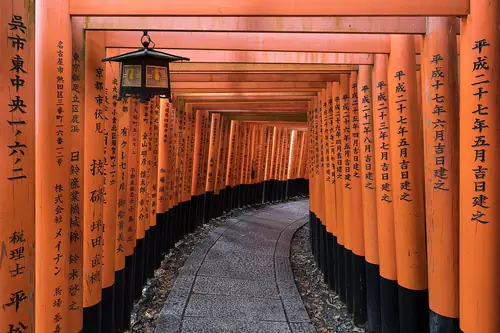
Which would you pick?
The short answer
They cost about the same day to day — Tokyo $90–150, Kyoto $85–140 mid-range per person. Both Tokyo and Kyoto are at their best in Mar–May, Oct–Nov, so one trip can take in both.
Is Tokyo cheaper than Kyoto?
Not by much: Tokyo and Kyoto cost about the same day to day, within 8% of each other ($90–150 against $85–140 mid-range per person).
- A cheap local meal costs much the same in both: $4–8 in Tokyo, $4–8 in Kyoto.
- A mid-range hotel night costs much the same in both: $100–200 in Tokyo, $100–190 in Kyoto.
- A single transit ride starts about 20% lower in Tokyo ($1.20–2.20) than in Kyoto ($1.50).
Side by side
Tokyo and Kyoto side by side, mid-range per person in US dollars, both costed the same way (how we work these out).
| 🇯🇵 Tokyo | 🇯🇵 Kyoto | |
|---|---|---|
| Daily budgetmid-range, per person | $90–150 | $85–140 |
| Cheap meallocal staple | $4–8 | $4–8 |
| Mid-range hotelper night | $100–200 | $100–190 |
| Transit ridesingle trip | $1.20–2.20cheaper | $1.50 |
| Avg. monthly salarylocal, for context | ≈ $2,200 | ≈ $1,900 |
What 3 and 7 days cost in Tokyo and Kyoto
| Trip, per person | Tokyo | Kyoto |
|---|---|---|
| 3 daysmid-range | $270–450 | $255–420 |
| 7 daysmid-range | $630–1,050 | $595–980 |
| 3 daysbudget | $165–270 | $150–255 |
| 7 daysbudget | $385–630 | $350–595 |
Over a full week Tokyo costs about $53 more per person than Kyoto.
Against local wages, one mid-range visitor day costs about 5% of an average monthly salary in Tokyo (≈ $2,200) and 6% in Kyoto (≈ $1,900).
The cheapest beds listed are $20–33 a night in Tokyo (Hostel / capsule hotel) against $20–33 in Kyoto (Hostel / guesthouse), while the top tier starts around $400 in Tokyo and $330 in Kyoto.
Per person and before flights, from each guide's daily budget, which already includes a mid-range room; budget rows use the guides' 60% budget scale.
When to go
Filled months are the ones each guide recommends; hollow ones it warns off.
| Month | Tokyo | Kyoto |
|---|---|---|
| January | So-so | So-so |
| February | So-so | So-so |
| March | Good | Good |
| April | Good | Good |
| May | Good | Good |
| June | Avoid | So-so |
| July | So-so | So-so |
| August | Avoid | So-so |
| September | So-so | So-so |
| October | Good | Good |
| November | Good | Good |
| December | So-so | So-so |
Both Tokyo and Kyoto are in season in Mar–May and Oct–Nov, the window for a trip that takes in both.
Which one suits you
🇯🇵 Pick Tokyo over Kyoto for
- Nightlife with a different flavour: Tokyo has Golden Gai (a warren of six narrow alleys packed with 200-plus tiny bars, many seating just…), where Kyoto offers Pontocho Alley.
- A longer, slower stay: the Tokyo guide suggests four to five days, the Kyoto guide two days.
🇯🇵 Pick Kyoto over Tokyo for
- Nightlife with a different flavour: Kyoto has Pontocho Alley (a single-file lane strung with lanterns between the Kamogawa River and Kiyamachi Street), where Tokyo offers Golden Gai.
- A shorter stop: the Kyoto guide suggests two days, the Tokyo guide four to five days.
One day in Tokyo against one day in Kyoto
- Morning: in Tokyo, Asakusa: Sensō-ji and the approach to it, early enough to have the gate to yourself; in Kyoto, Fushimi Inari at around 7 am, which is the difference between a transcendent walk under the torii and a queue.
- Midday: in Tokyo, the Tsukiji Outer Market for lunch, which is the most food per hour you will manage anywhere in the city; in Kyoto, north to Kiyomizu-dera, then down through the Higashiyama lanes on foot into Gion.
- Afternoon: in Tokyo, west across town to Shibuya for the crossing, then wander up into the backstreets behind it; in Kyoto, Nishiki Market, grazed stall by stall rather than sat down at.
- Evening: in Tokyo, Shinjuku after dark, and a drink in Golden Gai if you want the version of Tokyo you came for; in Kyoto, Pontocho Alley for dinner, or Kiyamachi-dori one street over if you want it cheaper and louder.
Slot by slot from each guide's one-day plan; the full Tokyo and Kyoto itineraries go to five days.
What you'd actually do
A few of each guide's picks, one per category before seconds — the full lists are on the guides themselves.
🇯🇵 Tokyo
The world's biggest city, and somehow its most orderly. Cheaper than you expect, cleaner than you imagined, and impossible to see in one trip.
- Golden Gai$$Nightlife
- Tsukiji Outer Market$$Restaurants
- Kabukiza Theatre$$Theater & shows
- Bar High Five$$$Nightlife
- Ichiran (Shibuya)$Restaurants
🇯🇵 Kyoto
Japan's thousand-year capital: seventeen World Heritage sites, lantern-lit lanes, and temples that are all yours if you wake up before the tour buses do.
- Pontocho Alley$$Nightlife
- Nishiki Market$Restaurants
- Gion Corner$$Theater & shows
- Kiyamachi-dori$Nightlife
- Omen$$Restaurants
Practicalities
| Tokyo | Kyoto | |
|---|---|---|
| Language | Japanese. English signage is good in stations; spoken English is limited — translation apps work fine. | Japanese. Tourist-facing signage is bilingual; spoken English is limited — translation apps work fine. |
Currency, Time zone, Power, Tap water, Emergency are the same in Tokyo and Kyoto; see either guide for the details.
Getting between Tokyo and Kyoto
What the Kyoto guide says about reaching Tokyo:
- From Tokyo: shinkansen, 2h15, ¥14,170 — Mt.
- Most itineraries pair Kyoto with Tokyo via shinkansen.
Staying, getting around, money and safety in Tokyo and Kyoto
First-timers usually base themselves in Shinjuku or Shibuya in Tokyo, and in Downtown (Kawaramachi / Karasuma) or Kyoto Station area in Kyoto.
Tipping differs: in Tokyo, None — not taxis, not restaurants, not hotels; in Kyoto, None — not restaurants, not taxis, not ryokan staff.
The Tokyo guide warns about 2 scams (Nightlife touts, 'Free' monk bracelets), the Kyoto guide about 2 (Rickshaw rides without a quoted price, 'Free' charm or blessing sellers).
Day to day, the Tokyo guide covers getting around by trains & metro, taxis and on foot, the Kyoto guide by Getting there, buses and Subway & trains.
On cash and cards, the Tokyo guide says Japan has gone largely cashless in the cities — cards and transit IC cards (Suica/Pasmo) are accepted almost everywhere — but keep ¥5,000–10,000 in cash for small ramen shops, shrines, and old-school izakaya, while the Kyoto guide says Kyoto runs a touch more cash-forward than Tokyo — many temples, shrines, street snacks, and small tea houses take coins and notes only, so keep ¥10,000 or so on you.
For mobile data in Tokyo, buy an eSIM before you land (Ubigi, Airalo and similar run $5–10 for ~10GB) or grab a physical SIM at the airport counters; in Kyoto, Same as the rest of Japan: an eSIM bought before landing (Ubigi, Airalo — $5–10 for ~10GB) or an airport SIM.
On safety, the Tokyo guide's verdict is “One of the safest big cities on the planet” and the Kyoto guide's is “Extremely safe, even by Japanese standards — the main hazards are crowds at the marquee sights, summer heat, and your own ambition to see twelve temples in a day.”
Tokyo vs Kyoto: common questions
Is Tokyo cheaper than Kyoto?
Not by much: Tokyo and Kyoto cost about the same day to day, within 8% of each other ($90–150 against $85–140 mid-range per person). A cheap local meal costs much the same in both: $4–8 in Tokyo, $4–8 in Kyoto.
When is the best time to visit Tokyo and Kyoto?
Tokyo is at its best in Mar–May and Oct–Nov and Kyoto in Mar–May and Oct–Nov; the months they share are Mar–May and Oct–Nov.
How many days do you need for Tokyo and Kyoto?
The Tokyo guide recommends four to five days and the Kyoto guide two days, so allow about 6–7 days to see both without rushing.
Can you combine Tokyo and Kyoto in one trip?
Yes: Tokyo and Kyoto are both in Japan, so one set of entry rules covers the whole trip. From Tokyo: shinkansen, 2h15, ¥14,170 — Mt.
More comparisons with Tokyo or Kyoto
Or read the guides to the nearby alternatives: