Kyoto vs Hiroshima
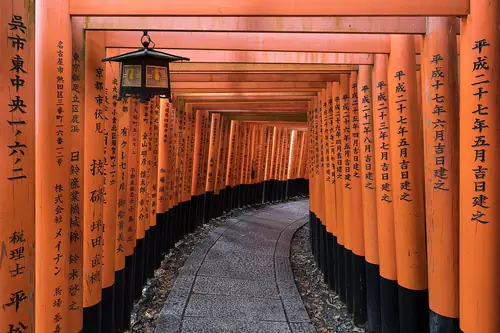
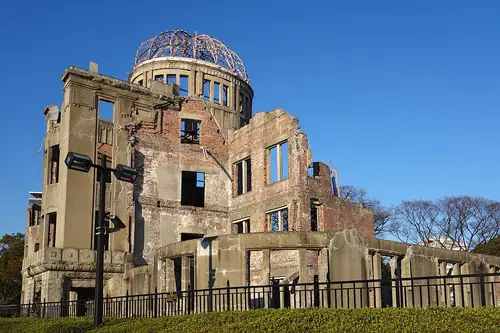
Which would you pick?
The short answer
Hiroshima is the cheaper trip, by roughly 23% a day — $65–110 against $85–140 mid-range per person. Both Kyoto and Hiroshima are at their best in Mar–Apr, Oct–Nov, so one trip can take in both.
Is Kyoto cheaper than Hiroshima?
No: Hiroshima is about 23% cheaper than Kyoto per day, at $65–110 against $85–140 for a mid-range traveller.
- A cheap local meal costs much the same in both: $4–8 in Kyoto, $4–7 in Hiroshima.
- A mid-range hotel night starts about 25% lower in Hiroshima ($75–140) than in Kyoto ($100–190).
- A single transit ride starts about 13% lower in Hiroshima ($1.30–1.90) than in Kyoto ($1.50).
Side by side
Kyoto and Hiroshima side by side, mid-range per person in US dollars, both costed the same way (how we work these out).
| 🇯🇵 Kyoto | 🇯🇵 Hiroshima | |
|---|---|---|
| Daily budgetmid-range, per person | $85–140 | $65–110cheaper |
| Cheap meallocal staple | $4–8 | $4–7 |
| Mid-range hotelper night | $100–190 | $75–140cheaper |
| Transit ridesingle trip | $1.50 | $1.30–1.90cheaper |
| Avg. monthly salarylocal, for context | ≈ $1,900 | ≈ $1,850 |
What 3 and 7 days cost in Kyoto and Hiroshima
| Trip, per person | Kyoto | Hiroshima |
|---|---|---|
| 3 daysmid-range | $255–420 | $195–330 |
| 7 daysmid-range | $595–980 | $455–770 |
| 3 daysbudget | $150–255 | $120–195 |
| 7 daysbudget | $350–595 | $280–455 |
Over a full week Kyoto costs about $175 more per person than Hiroshima — roughly two extra mid-range days in Hiroshima for the same money.
Against local wages, one mid-range visitor day costs about 6% of an average monthly salary in Kyoto (≈ $1,900) and 5% in Hiroshima (≈ $1,850).
The cheapest beds listed are $20–33 a night in Kyoto (Hostel / guesthouse) against $19–30 in Hiroshima (Hostel dorm), while the top tier starts around $330 in Kyoto and $233 in Hiroshima.
Per person and before flights, from each guide's daily budget, which already includes a mid-range room; budget rows use the guides' 60% budget scale.
When to go
Filled months are the ones each guide recommends; hollow ones it warns off.
| Month | Kyoto | Hiroshima |
|---|---|---|
| January | So-so | So-so |
| February | So-so | So-so |
| March | Good | Good |
| April | Good | Good |
| May | Good | So-so |
| June | So-so | So-so |
| July | So-so | So-so |
| August | So-so | So-so |
| September | So-so | So-so |
| October | Good | Good |
| November | Good | Good |
| December | So-so | So-so |
Both Kyoto and Hiroshima are in season in Mar–Apr and Oct–Nov, the window for a trip that takes in both.
In May only Kyoto is at its best, while Hiroshima's guide doesn't recommend that month.
Which one suits you
🇯🇵 Pick Kyoto over Hiroshima for
- Theater & shows, which only the Kyoto guide lists against Hiroshima: Gion Corner (a one-hour sampler of seven traditional Kyoto arts in a single sitting).
- Travelling in May, when Kyoto is in season and Hiroshima isn't.
- A longer, slower stay: the Kyoto guide suggests two days, the Hiroshima guide one day.
🇯🇵 Pick Hiroshima over Kyoto for
- Stretching a budget: a day in Hiroshima runs about 23% less than in Kyoto.
- Baseball, which only the Hiroshima guide lists against Kyoto: Mazda Zoom-Zoom Stadium (Home of the beloved Hiroshima Toyo Carp).
- A shorter stop: the Hiroshima guide suggests one day, the Kyoto guide two days.
One day in Kyoto against one day in Hiroshima
- Morning: in Kyoto, Fushimi Inari at around 7 am, which is the difference between a transcendent walk under the torii and a queue; in Hiroshima, Peace Memorial Park and the museum, early and unhurried.
- Midday: in Kyoto, north to Kiyomizu-dera, then down through the Higashiyama lanes on foot into Gion; in Hiroshima, Hiroshima-style okonomiyaki at Okonomimura, where the stalls are stacked several floors deep and you pick a counter rather than a restaurant.
- Afternoon: in Kyoto, Nishiki Market, grazed stall by stall rather than sat down at; in Hiroshima, the streetcar out to the pier and the ferry across to Miyajima.
- Evening: in Kyoto, Pontocho Alley for dinner, or Kiyamachi-dori one street over if you want it cheaper and louder; in Hiroshima, back on the mainland for oysters and a drink in Nagarekawa.
Slot by slot from each guide's one-day plan; the full Kyoto and Hiroshima itineraries go to five days.
What you'd actually do
A few of each guide's picks, one per category before seconds — the full lists are on the guides themselves.
🇯🇵 Kyoto
Japan's thousand-year capital: seventeen World Heritage sites, lantern-lit lanes, and temples that are all yours if you wake up before the tour buses do.
- Pontocho Alley$$Nightlife
- Nishiki Market$Restaurants
- Gion Corner$$Theater & shows
- Kiyamachi-dori$Nightlife
- Omen$$Restaurants
🇯🇵 Hiroshima
A city that rebuilt itself into one of Japan's most livable places, anchored by a memorial that asks to be visited quietly, and a floating torii gate an hour away.
- Nagarekawa$$Nightlife
- Okonomimura$Restaurants
- Mazda Zoom-Zoom Stadium$$Baseball
- Bar Alegre$$$Nightlife
- Kakiya (Miyajima)$$$Restaurants
Practicalities
| Kyoto | Hiroshima | |
|---|---|---|
| Language | Japanese. Tourist-facing signage is bilingual; spoken English is limited — translation apps work fine. | Japanese. English signage is decent around the Peace Memorial and stations; spoken English is limited elsewhere. |
Currency, Time zone, Power, Tap water, Emergency are the same in Kyoto and Hiroshima; see either guide for the details.
Getting between Kyoto and Hiroshima
What the Hiroshima guide says about reaching Kyoto:
- Hiroshima sits directly on the Sanyo Shinkansen line — about 1h20 from Osaka, 1h40 from Kyoto, and 4 hours from Tokyo.
- It fits naturally as a stop between Osaka/Kyoto and Fukuoka on a shinkansen itinerary.
Staying, getting around, money and safety in Kyoto and Hiroshima
First-timers usually base themselves in Downtown (Kawaramachi / Karasuma) or Kyoto Station area in Kyoto, and in Peace Park / Hondori or Hiroshima Station area in Hiroshima.
Tipping differs: in Kyoto, None — not restaurants, not taxis, not ryokan staff; in Hiroshima, None — restaurants, taxis, hotels, guides.
The Kyoto guide warns about 2 scams (Rickshaw rides without a quoted price, 'Free' charm or blessing sellers), the Hiroshima guide about none in particular.
Day to day, the Kyoto guide covers getting around by Getting there, buses and Subway & trains, the Hiroshima guide by from elsewhere in Japan, Streetcars (Hiroden) and ferry to Miyajima.
On cash and cards, the Kyoto guide says Kyoto runs a touch more cash-forward than Tokyo — many temples, shrines, street snacks, and small tea houses take coins and notes only, so keep ¥10,000 or so on you, while the Hiroshima guide says cards and IC transit cards (Icoca) are widely accepted, including on the city's iconic streetcars.
For mobile data in Kyoto, Same as the rest of Japan: an eSIM bought before landing (Ubigi, Airalo — $5–10 for ~10GB) or an airport SIM; in Hiroshima, Standard Japan setup: an eSIM bought before landing or a SIM from the airport counter.
On safety, the Kyoto guide's verdict is “Extremely safe, even by Japanese standards — the main hazards are crowds at the marquee sights, summer heat, and your own ambition to see twelve temples in a day” and the Hiroshima guide's is “One of the safest and most easygoing cities in Japan, itself already an extremely safe country — walking anywhere in central Hiroshima or Miyajima at night is unremarkable.”
Kyoto vs Hiroshima: common questions
Is Kyoto cheaper than Hiroshima?
No: Hiroshima is about 23% cheaper than Kyoto per day, at $65–110 against $85–140 for a mid-range traveller. A cheap local meal costs much the same in both: $4–8 in Kyoto, $4–7 in Hiroshima.
When is the best time to visit Kyoto and Hiroshima?
Kyoto is at its best in Mar–May and Oct–Nov and Hiroshima in Mar–Apr and Oct–Nov; the months they share are Mar–Apr and Oct–Nov.
How many days do you need for Kyoto and Hiroshima?
The Kyoto guide recommends two days and the Hiroshima guide one day, so allow about 3 days to see both without rushing.
Can you combine Kyoto and Hiroshima in one trip?
Yes: Kyoto and Hiroshima are both in Japan, so one set of entry rules covers the whole trip. Hiroshima sits directly on the Sanyo Shinkansen line — about 1h20 from Osaka, 1h40 from Kyoto, and 4 hours from Tokyo.
More comparisons with Kyoto or Hiroshima
Or read the guides to the nearby alternatives: