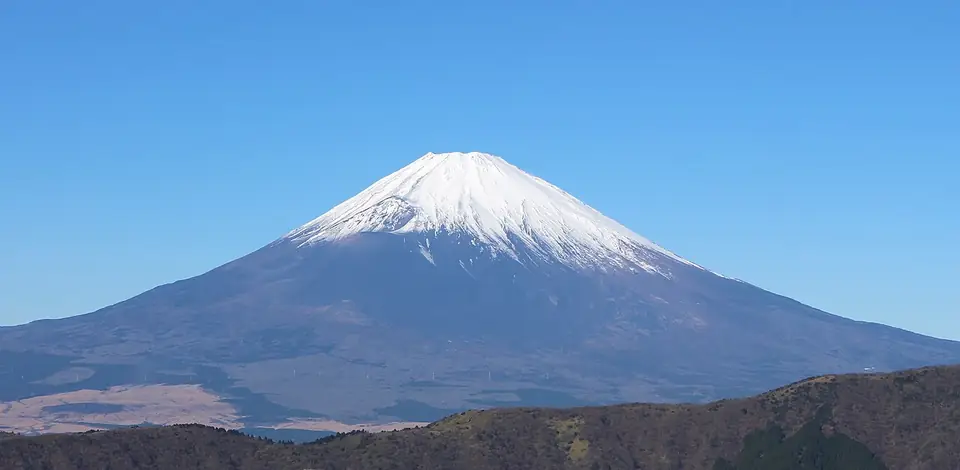
🇯🇵Cost of Travel in Japan (2026): Daily Budgets for 10 Cities
Bullet trains that run to the second, vending machines in the wilderness, temples in the megacity. Everything works, nothing is quite like home, and the food is cheaper than you think.
Daily budgets in Japan
The cheapest city in Japan is Nara, at $60–105 a day mid-range per person; the priciest is Tokyo, at $90–150 — about 50% more for the same style of trip.
| City | Budget / day | Mid-range / day | Comfort / day | Cheap meal | Mid-range hotel |
|---|---|---|---|---|---|
| Nara | $35–65 | $60–105 | $110–190 | $4–7 | $70–130 |
| Hiroshima | $40–65 | $65–110 | $120–200 | $4–7 | $75–140 |
| Fukuoka | $40–70 | $65–115 | $120–210 | $4–7 | $70–140 |
| Naha | $40–75 | $70–125 | $130–230 | $5–8 | $80–160 |
| Sapporo | $40–70 | $70–120 | $130–220 | $5–8 | $75–150 |
| Nagoya | $45–80 | $75–130 | $140–230 | $5–8 | $90–170 |
| Osaka | $50–80 | $80–135 | $140–240 | $4–7 | $85–170 |
| Kyoto | $50–85 | $85–140 | $150–250 | $4–8 | $100–190 |
| Yokohama | $50–85 | $85–145 | $150–260 | $5–8 | $95–190 |
| Tokyo | $55–90 | $90–150 | $160–270 | $4–8 | $100–200 |
Per person in US dollars, flights not included. Mid-range is each guide's researched figure and includes a mid-range room; budget and comfort scale it by 0.6 and 1.8, so treat those as rough. How we work these out.
Plan a trip across Japan
Set the nights you'd spend in each city. Per person, before flights; each night counts one day of that city's daily budget.
Cities
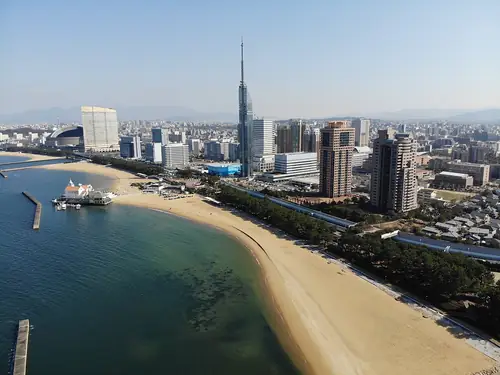 🇯🇵
Fukuoka
JapanKyushu's laid-back gateway: legendary tonkotsu ramen from open-air food stalls, easy beaches, and a pace noticeably slower than anywhere on the Tokyo–Osaka corridor.
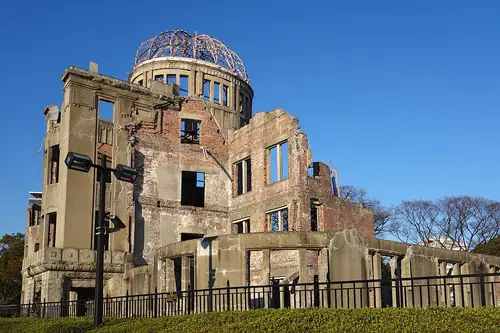 🇯🇵
Hiroshima
JapanA city that rebuilt itself into one of Japan's most livable places, anchored by a memorial that asks to be visited quietly, and a floating torii gate an hour away.
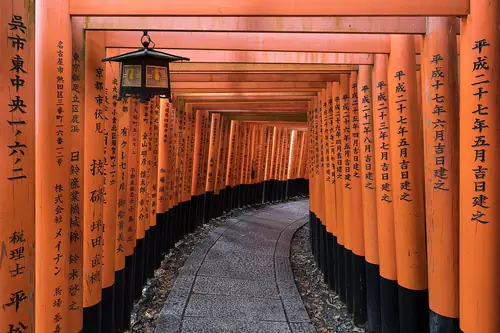 🇯🇵
Kyoto
JapanJapan's thousand-year capital: seventeen World Heritage sites, lantern-lit lanes, and temples that are all yours if you wake up before the tour buses do.
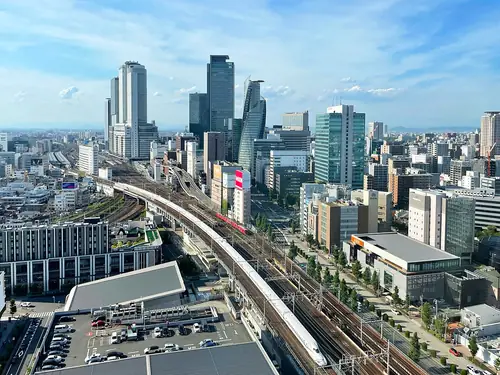 🇯🇵
Nagoya
JapanJapan's manufacturing powerhouse — Toyota's hometown turf — with a rebuilt castle, a miso-drenched food scene, and none of the crowds that swarm Tokyo or Kyoto.
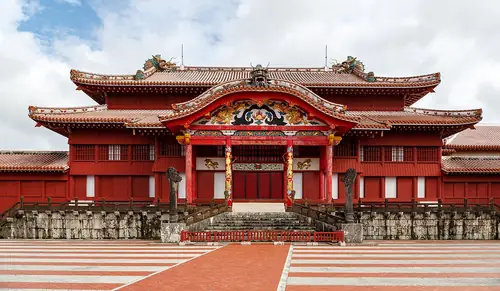 🇯🇵
Naha
JapanOkinawa's subtropical capital: turquoise water, a rebuilt royal castle, and a distinct Ryukyuan culture that feels closer to the Pacific than to mainland Japan.
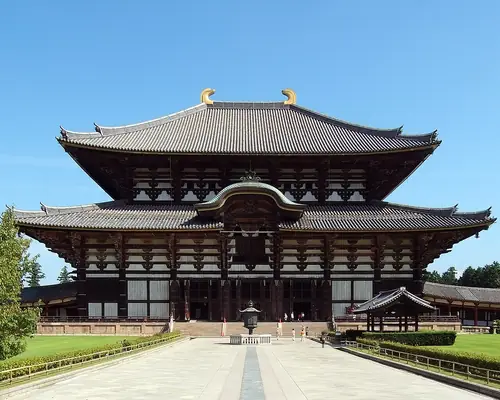 🇯🇵
Nara
JapanJapan's first permanent capital: a giant bronze Buddha, a park full of bowing deer, and a compact old town that rewards staying the night after the day-trippers leave.
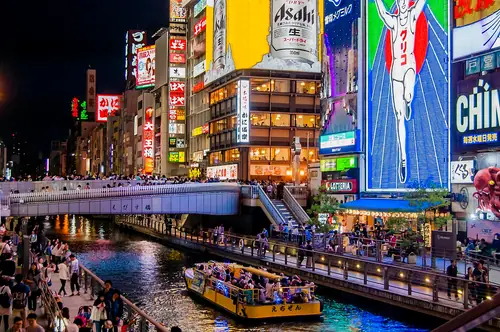 🇯🇵
Osaka
JapanJapan's kitchen and its most unpretentious big city: neon canal-side food streets, castle grounds, and a local motto — kuidaore, eat until you drop.
 🇯🇵
Sapporo
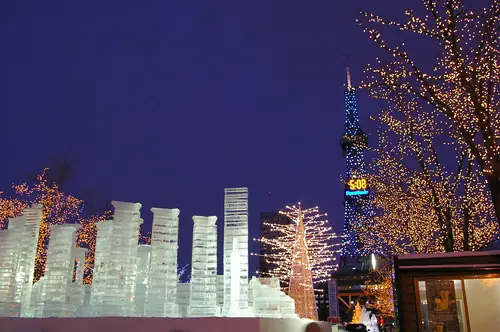
JapanHokkaido's laid-back capital: a snow festival that turns the city into an ice sculpture gallery, miso ramen that started here, and a completely different pace from mainland Japan.
 🇯🇵
Tokyo
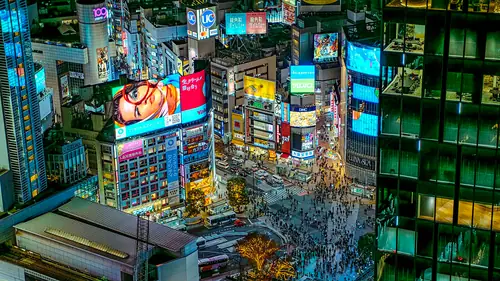
JapanThe world's biggest city, and somehow its most orderly. Cheaper than you expect, cleaner than you imagined, and impossible to see in one trip.
 🇯🇵
Yokohama
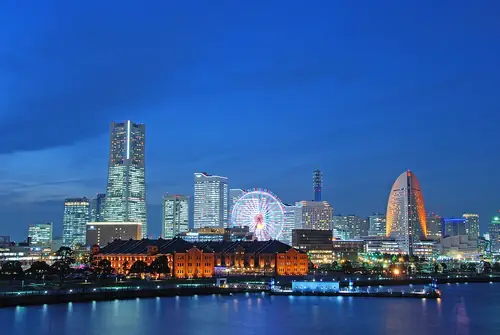
JapanTokyo's polished port-city twin: a futuristic bayfront skyline, Japan's largest Chinatown, and just enough breathing room to feel like its own destination, not a suburb.
Head to head
Two cities side by side — costs, best months and what you'd do in each.