Rome vs Florence
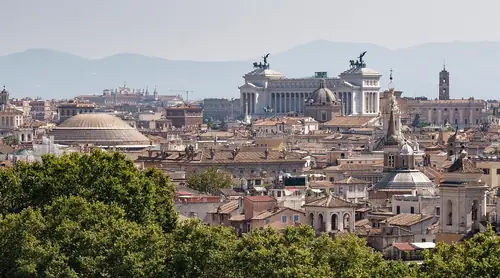
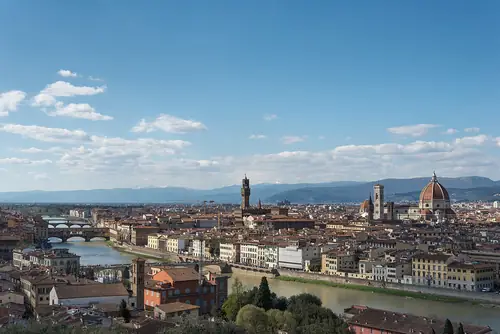
Which would you pick?
The short answer
Florence is the cheaper trip, by roughly 12% a day — $85–155 against $95–170 mid-range per person. Both Rome and Florence are at their best in Apr–May, Sep–Oct, so one trip can take in both.
Is Rome cheaper than Florence?
No: Florence is about 12% cheaper than Rome per day, at $85–155 against $95–170 for a mid-range traveller.
- A cheap local meal costs much the same in both: €6–12 ($6.50–13) in Rome, €6–12 ($6.50–13) in Florence.
- A mid-range hotel night costs much the same in both: €100–200 ($108–216) in Rome, €90–180 ($97–194) in Florence.
- A single transit ride starts about 14% lower in Rome (€1.50 ($1.60)) than in Florence (€1.70 ($1.85)).
Side by side
Rome and Florence side by side, mid-range per person in US dollars, both costed the same way (how we work these out).
| 🇮🇹 Rome | 🇮🇹 Florence | |
|---|---|---|
| Daily budgetmid-range, per person | $95–170 | $85–155cheaper |
| Cheap meallocal staple | €6–12 ($6.50–13) | €6–12 ($6.50–13) |
| Mid-range hotelper night | €100–200 ($108–216) | €90–180 ($97–194) |
| Transit ridesingle trip | €1.50 ($1.60)cheaper | €1.70 ($1.85) |
| Avg. monthly salarylocal, for context | ≈ $2,100 | ≈ $1,950 |
What 3 and 7 days cost in Rome and Florence
| Trip, per person | Rome | Florence |
|---|---|---|
| 3 daysmid-range | $285–510 | $255–465 |
| 7 daysmid-range | $665–1,190 | $595–1,085 |
| 3 daysbudget | $165–300 | $150–285 |
| 7 daysbudget | $385–700 | $350–665 |
Over a full week Rome costs about $88 more per person than Florence.
Against local wages, one mid-range visitor day costs about 6% of an average monthly salary in Rome (≈ $2,100) and 6% in Florence (≈ $1,950).
The cheapest beds listed are $27–48 a night in Rome (Hostel dorm) against $27–43 in Florence (Hostel dorm), while the top tier starts around $325 in Rome and $302 in Florence.
Per person and before flights, from each guide's daily budget, which already includes a mid-range room; budget rows use the guides' 60% budget scale.
When to go
Filled months are the ones each guide recommends; hollow ones it warns off.
| Month | Rome | Florence |
|---|---|---|
| January | So-so | So-so |
| February | So-so | So-so |
| March | So-so | So-so |
| April | Good | Good |
| May | Good | Good |
| June | So-so | So-so |
| July | Avoid | Avoid |
| August | Avoid | Avoid |
| September | Good | Good |
| October | Good | Good |
| November | So-so | So-so |
| December | So-so | So-so |
Both Rome and Florence are in season in Apr–May and Sep–Oct, the window for a trip that takes in both.
The Rome and Florence guides both warn off Jul–Aug, so plan a first trip to either outside those months.
Which one suits you
🇮🇹 Pick Rome over Florence for
- Nightlife with a different flavour: Rome has Freni e Frizioni (a former mechanic's garage turned street-cocktail bar in Trastevere), where Florence offers La Terrazza Lounge Bar.
- A longer, slower stay: the Rome guide suggests three days, the Florence guide two days.
🇮🇹 Pick Florence over Rome for
- Stretching a budget: a day in Florence runs about 12% less than in Rome.
- Nightlife with a different flavour: Florence has La Terrazza Lounge Bar (a rooftop bar atop Hotel Continentale with knockout views of the Arno, Ponte Vecchio,…), where Rome offers Freni e Frizioni.
- A shorter stop: the Florence guide suggests two days, the Rome guide three days.
One day in Rome against one day in Florence
- Morning: in Rome, the Colosseum and the Roman Forum, booked in advance; in Florence, the Duomo and Brunelleschi's dome, and the piazza around them before the crowds thicken.
- Midday: in Rome, Pizza al taglio or a trapizzino eaten on the walk north into Monti; in Florence, a schiacciata from All'Antico Vinaio, or lampredotto from a street stand if you want the version locals eat.
- Afternoon: in Rome, the Pantheon, Piazza Navona and the Trevi Fountain, with coffee and drinks a few streets off each rather than on them; in Florence, the Uffizi on a timed ticket booked in advance, then the Ponte Vecchio on the way across the river.
- Evening: in Rome, dinner in Trastevere, then a spritz at Freni e Frizioni with the crowd out on the piazza; in Florence, Sunset from Piazzale Michelangelo, then dinner in Santa Croce or a glass at Le Volpi e l'Uva.
Slot by slot from each guide's one-day plan; the full Rome and Florence itineraries go to five days.
What you'd actually do
A few of each guide's picks, one per category before seconds — the full lists are on the guides themselves.
🇮🇹 Rome
The Eternal City — ancient ruins, Renaissance piazzas, and some of the world's best food, all stacked on top of 2,700 years of history.
- Freni e Frizioni$$Nightlife
- Roscioli$$$Restaurants
- Teatro dell'Opera di Roma$$$Theater & shows
- Jerry Thomas Speakeasy$$$Nightlife
- Da Enzo al 29$$Restaurants
🇮🇹 Florence
The cradle of the Renaissance — Michelangelo's David, Brunelleschi's dome, and more world-class art per square mile than almost anywhere on earth.
- La Terrazza Lounge Bar$$$Nightlife
- All'Antico Vinaio$Restaurants
- Teatro della Pergola$$Theater & shows
- Le Volpi e l'Uva$$Nightlife
- Trattoria Mario$$Restaurants
Practicalities
| Rome | Florence | |
|---|---|---|
| Language | Italian. English is common around major sights and hotels, less so in neighborhood trattorias. | Italian, with the Florentine dialect historically the basis of standard Italian. English is common near the main sights. |
| Tap water | Safe to drink — including from the city's public nasoni drinking fountains | Safe to drink |
Currency, Time zone, Power, Emergency are the same in Rome and Florence; see either guide for the details.
Getting between Rome and Florence
What the Rome guide says about reaching Florence:
- Either the museums and churches the first three days skipped, or a day out of the city — Florence is a straightforward train ride and has its own guide here.
What the Florence guide says about reaching Rome:
- Either the churches and smaller museums the first days skipped, or the train onward: Venice and Rome both have guides here.
Staying, getting around, money and safety in Rome and Florence
First-timers usually base themselves in Centro Storico (historic center) or Trastevere in Rome, and in Duomo / historic center or Santa Croce in Florence.
Tipping differs: in Rome, not obligatory — a service charge or 'coperto' is often already on the bill; in Florence, not obligatory — a service charge (servizio) or cover charge (coperto) is often already included.
The Rome guide warns about 4 scams (Pickpocketing on crowded buses/metro, 'Free' bracelet or rose sellers, Unlicensed taxi touts), the Florence guide about 4 (Unofficial 'skip the line' ticket sellers, Pickpocketing around Ponte Vecchio and the Duomo, Leather market stalls selling 'genuine leather' that isn't).
Arriving: in Rome, Fiumicino (FCO) is the main international airport, about 45 minutes from downtown; the Leonardo Express train runs direct to Termini station for €14; in Florence, Florence Airport (Peretola/FLR) sits just a few kilometers from downtown; a tram (T2) runs directly to Santa Maria Novella station in about 20 minutes for €1.70.
Day to day, the Rome guide covers getting around by metro & buses, on foot and taxis & ride apps, the Florence guide by on foot, buses & trams and trains for day trips.
On cash and cards, the Rome guide says cards are widely accepted almost everywhere, including small trattorias and market stalls, but it's worth carrying some cash (€20–50) for tiny bars, tips, or the odd cash-only spot, while the Florence guide says cards are accepted almost everywhere, from museum tickets to trattorias, though small cash is handy for market stalls at Mercato Centrale or Sant'Ambrogio and for tipping.
For mobile data in Rome, get an eSIM (via Airalo or similar) before you land, or a physical SIM from an Italian carrier (TIM, Vodafone, WindTre) at the airport or a phone shop — bring your passport; in Florence, get an eSIM (via Airalo or similar) before you land, or a physical SIM from an Italian carrier (TIM, Vodafone, WindTre) — easy to pick up at a phone shop near Santa Maria Novella station.
On safety, the Rome guide's verdict is “Rome is very safe for violent crime, including at night in the main tourist areas” and the Florence guide's is “Florence is very safe for violent crime, including walking the historic center at night.”
Rome vs Florence: common questions
Is Rome cheaper than Florence?
No: Florence is about 12% cheaper than Rome per day, at $85–155 against $95–170 for a mid-range traveller. A cheap local meal costs much the same in both: €6–12 ($6.50–13) in Rome, €6–12 ($6.50–13) in Florence.
When is the best time to visit Rome and Florence?
Rome is at its best in Apr–May and Sep–Oct and Florence in Apr–May and Sep–Oct; the months they share are Apr–May and Sep–Oct.
How many days do you need for Rome and Florence?
The Rome guide recommends three days and the Florence guide two days, so allow about 5 days to see both without rushing.
Can you combine Rome and Florence in one trip?
Yes: Rome and Florence are both in Italy, so one set of entry rules covers the whole trip. Either the museums and churches the first three days skipped, or a day out of the city — Florence is a straightforward train ride and has its own guide here.
More comparisons with Rome or Florence
Or read the guides to the nearby alternatives: