Los Angeles vs San Francisco
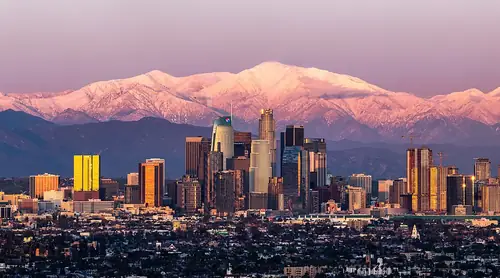
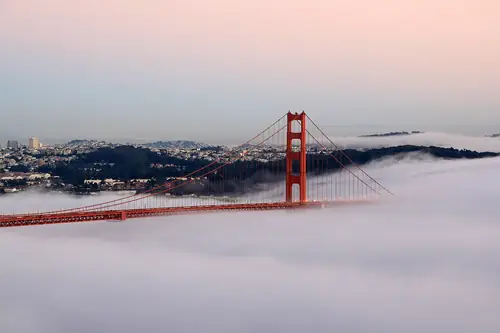
Which would you pick?
The short answer
Los Angeles is the cheaper trip, by roughly 11% a day — $110–220 against $130–250 mid-range per person. Both Los Angeles and San Francisco are at their best in Sep–Nov, so one trip can take in both.
Is Los Angeles cheaper than San Francisco?
Yes: Los Angeles is about 11% cheaper than San Francisco per day, at $110–220 against $130–250 for a mid-range traveller.
- A cheap local meal starts about 25% lower in Los Angeles ($6–14) than in San Francisco ($8–15).
- A mid-range hotel night starts about 18% lower in Los Angeles ($180–320) than in San Francisco ($220–350).
- A single transit ride starts about 30% lower in Los Angeles ($1.75) than in San Francisco ($2.50).
Side by side
Los Angeles and San Francisco side by side, mid-range per person in US dollars, both costed the same way (how we work these out).
| 🇺🇸 Los Angeles | 🇺🇸 San Francisco | |
|---|---|---|
| Daily budgetmid-range, per person | $110–220cheaper | $130–250 |
| Cheap meallocal staple | $6–14cheaper | $8–15 |
| Mid-range hotelper night | $180–320cheaper | $220–350 |
| Transit ridesingle trip | $1.75cheaper | $2.50 |
| Avg. monthly salarylocal, for context | ≈ $5,200 | ≈ $6,800 |
What 3 and 7 days cost in Los Angeles and San Francisco
| Trip, per person | Los Angeles | San Francisco |
|---|---|---|
| 3 daysmid-range | $330–660 | $390–750 |
| 7 daysmid-range | $770–1,540 | $910–1,750 |
| 3 daysbudget | $195–390 | $240–450 |
| 7 daysbudget | $455–910 | $560–1,050 |
Over a full week San Francisco costs about $175 more per person than Los Angeles — roughly one extra mid-range day in Los Angeles for the same money.
Against local wages, one mid-range visitor day costs about 3% of an average monthly salary in Los Angeles (≈ $5,200) and 3% in San Francisco (≈ $6,800).
The cheapest beds listed are $40–70 a night in Los Angeles (Hostel dorm) against $50–80 in San Francisco (Hostel dorm), while the top tier starts around $450 in Los Angeles and $500 in San Francisco.
Per person and before flights, from each guide's daily budget, which already includes a mid-range room; budget rows use the guides' 60% budget scale.
When to go
Filled months are the ones each guide recommends; hollow ones it warns off.
| Month | Los Angeles | San Francisco |
|---|---|---|
| January | So-so | So-so |
| February | So-so | So-so |
| March | Good | So-so |
| April | Good | So-so |
| May | Good | So-so |
| June | Avoid | Avoid |
| July | So-so | Avoid |
| August | So-so | Avoid |
| September | Good | Good |
| October | Good | Good |
| November | Good | Good |
| December | So-so | So-so |
Both Los Angeles and San Francisco are in season in Sep–Nov, the window for a trip that takes in both.
In Mar–May only Los Angeles is at its best, while San Francisco's guide doesn't recommend those months.
The Los Angeles and San Francisco guides both warn off Jun, so plan a first trip to either outside those months.
Which one suits you
🇺🇸 Pick Los Angeles over San Francisco for
- Stretching a budget: a day in Los Angeles runs about 11% less than in San Francisco.
- Nightlife with a different flavour: Los Angeles has Skybar at Mondrian (an open-air poolside bar on the Sunset Strip that's been a West Hollywood fixture…), where San Francisco offers Tonga Room (Fairmont Hotel).
- Travelling in Mar–May, when Los Angeles is in season and San Francisco isn't.
- A longer, slower stay: the Los Angeles guide suggests four to five days, the San Francisco guide three to four days.
🇺🇸 Pick San Francisco over Los Angeles for
- Nightlife with a different flavour: San Francisco has Tonga Room (Fairmont Hotel) (a gloriously kitsch tiki bar built inside a former swimming pool on Nob Hill,…), where Los Angeles offers Skybar at Mondrian.
- A shorter stop: the San Francisco guide suggests three to four days, the Los Angeles guide four to five days.
One day in Los Angeles against one day in San Francisco
- Morning: in Los Angeles, Santa Monica: the pier and the Third Street Promenade before the parking fills; in San Francisco, a cable car from Union Square, boarding at a quieter stop rather than queueing at the Powell Street turnaround, up over Nob Hill.
- Midday: in Los Angeles, south to Venice, on foot or by bike along the beach path, for the boardwalk and the canals; in San Francisco, north Beach for lunch, then Lombard Street's switchback block on the way down to the water.
- Afternoon: in Los Angeles, Inland to Griffith Observatory, which gives you the city and a Hollywood Sign view in one stop; in San Francisco, the waterfront to Fisherman's Wharf and out along the shore toward the Golden Gate Bridge, which looks best in late light and worst in summer fog.
- Evening: in Los Angeles, Hollywood: dinner at Musso & Frank Grill, then the Comedy Store on the Sunset Strip if you still have energy; in San Francisco, dinner in the Mission, which is where the city actually eats, or Swan Oyster Depot earlier in the day if the queue is moving.
Slot by slot from each guide's one-day plan; the full Los Angeles and San Francisco itineraries go to five days.
What you'd actually do
A few of each guide's picks, one per category before seconds — the full lists are on the guides themselves.
🇺🇸 Los Angeles
Palm trees, freeways, and the Hollywood dream factory — a sprawling patchwork of beach towns and neighborhoods that only really makes sense once you have a car (or a lot of patience).
- Skybar at Mondrian$$$Nightlife
- Musso & Frank Grill$$$Restaurants
- Hollywood Bowl$$Theater & shows
- No Vacancy$$$Nightlife
- Guelaguetza$$Restaurants
🇺🇸 San Francisco
Steep hills, fog rolling through the Golden Gate, and a compact grid of neighborhoods that swing from Victorian postcard to tech-boom glass in a few blocks.
- Tonga Room (Fairmont Hotel)$$Nightlife
- Tadich Grill$$$Restaurants
- SHN Orpheum Theatre$$$Theater & shows
- Bourbon & Branch$$$Nightlife
- Swan Oyster Depot$$Restaurants
Practicalities
| Los Angeles | San Francisco | |
|---|---|---|
| Language | English, with Spanish widely spoken given LA's large Latino population — many menus and signs are bilingual. | English, with a large Cantonese, Mandarin, and Spanish-speaking population |
Currency, Time zone, Power, Tap water, Emergency are the same in Los Angeles and San Francisco; see either guide for the details.
Staying, getting around, money and safety in Los Angeles and San Francisco
First-timers usually base themselves in Santa Monica or Hollywood in Los Angeles, and in Union Square or Fisherman's Wharf in San Francisco.
Tipping differs: in Los Angeles, Expected, not optional — 18–22% at sit-down restaurants, 15–20% for rideshares, $1–2 per drink at bars, and $3–5 cash for valet parking (extremely common in LA); in San Francisco, Expected at sit-down restaurants (18–22%), cafes with counter service usually have a tip jar (a dollar or two is appreciated but not obligatory), and 15–20% for rideshares and taxis.
The Los Angeles guide warns about 4 scams (Car break-ins, Unofficial 'tour bus' or map sellers, Costumed characters on Hollywood Boulevard), the San Francisco guide about 4 (Car break-ins, Fake charity clipboard requests, Street performers or costumed characters).
Arriving: in Los Angeles, LAX sits fairly centrally but far from everything given LA's sprawl — the LAX FlyAway bus, Metro rail (via the new people mover), or rideshare/taxi (~$35–65 depending on destination and traffic) are the main options; in San Francisco, SFO connects directly to downtown via BART (about 30 minutes, $8–10) — cheaper and often faster than a rideshare or taxi ($45–65) given traffic on Highway 101.
Day to day, the Los Angeles guide covers getting around by Renting a car, metro rail & buses and Rideshare (Uber/Lyft), the San Francisco guide by Muni (bus, streetcar, cable car), walking and Rideshare & taxis.
On cash and cards, the Los Angeles guide says cards and phone tap-to-pay work everywhere, including rideshares, parking meters, and most food trucks, while the San Francisco guide says cards and tap-to-pay are the default nearly everywhere; carrying cash is mostly unnecessary except for the odd small vendor.
For mobile data in Los Angeles, most major US carriers (T-Mobile, AT&T, Verizon) offer tourist eSIMs, or set one up in advance via Airalo or similar before you land — pay-as-you-go physical SIMs are also available at LAX and phone shops citywide; in San Francisco, Major US carriers (T-Mobile, AT&T, Verizon) all have strong coverage citywide, and tourist eSIMs (Airalo and similar) are easy to set up before arrival.
On safety, the Los Angeles guide's verdict is “Los Angeles is generally safe for visitors in the areas tourists frequent (Santa Monica, Hollywood, Downtown's core, Venice's main strip), though petty crime including car break-ins is a real and specific risk — never leave visible valuables in a parked car, even briefly” and the San Francisco guide's is “San Francisco is generally safe for visitors in the main tourist areas (Union Square, the Wharf, North Beach, the Marina), though property crime — especially car break-ins and occasional purse-snatching — is a real and well-documented issue; never leave anything visible in a parked car.”
Los Angeles vs San Francisco: common questions
Is Los Angeles cheaper than San Francisco?
Yes: Los Angeles is about 11% cheaper than San Francisco per day, at $110–220 against $130–250 for a mid-range traveller. A cheap local meal starts about 25% lower in Los Angeles ($6–14) than in San Francisco ($8–15).
When is the best time to visit Los Angeles and San Francisco?
Los Angeles is at its best in Mar–May and Sep–Nov and San Francisco in Sep–Nov; the months they share are Sep–Nov.
How many days do you need for Los Angeles and San Francisco?
The Los Angeles guide recommends four to five days and the San Francisco guide three to four days, so allow about 7–9 days to see both without rushing.
Can you combine Los Angeles and San Francisco in one trip?
Yes: Los Angeles and San Francisco are both in United States, so one set of entry rules covers the whole trip.
More comparisons with Los Angeles or San Francisco
Or read the guides to the nearby alternatives: