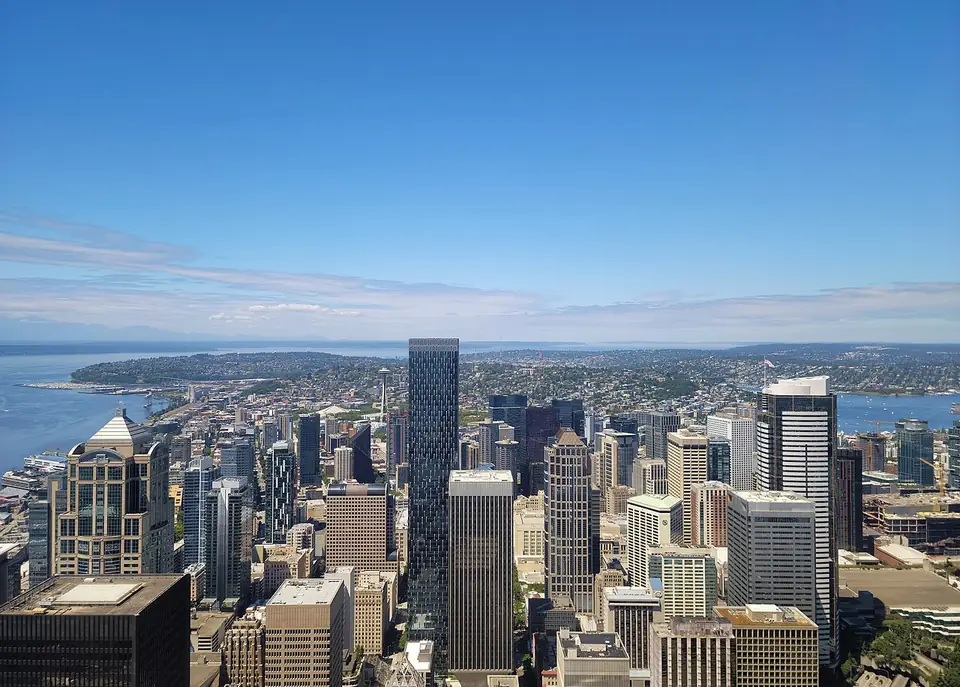
🇺🇸Seattle
Coffee culture, evergreen hills, and water on three sides — a laid-back tech city where good weather is treated like a public holiday.
Mid-range figures, per person
Per person, no flights — those are just below. The mid-range figure is researched; budget and comfort scale it, so treat the two as rough. The trip calculator and hotels below break the day down properly.
The US rows are domestic roundtrips on major routes — coast-to-coast sits at the top of the range, short hops at the bottom. Ranges are typical fares booked 1–3 months out, checked mid-2026 — school-holiday peaks run higher, and patient shoppers beat the bottom end.
Prices checked · how we work these out
Is Seattle expensive to visit?
Yes, by the standards of the cities this site covers: a mid-range day in Seattle costs $110–210 per person, and its $155 midpoint is 72% above the $90 median across all 127 cities here. Within United States it runs 7% below the $166 average of our 6 United States guides. That makes it pricier than 112 of the 127 cities, with a cheap meal at $8–14 and a mid-range hotel at $180–300 a night.
How much does a trip to Seattle cost?
| Trip length | Budget | Mid-range | Comfort |
|---|---|---|---|
| 3 days | $195–390 | $330–630 | $600–1,140 |
| 5 days | $325–650 | $550–1,050 | $1,000–1,900 |
| 7 days | $455–910 | $770–1,470 | $1,400–2,660 |
| 14 days | $910–1,820 | $1,540–2,940 | $2,800–5,320 |
Per person and before flights, 3 days in Seattle costs $330–630 mid-range, five days $550–1,050, a week $770–1,470 and two weeks $1,540–2,940; a week costs about $455–910 on a budget and $1,400–2,660 travelling in comfort.
Per person in US dollars, flights not included. Each total is a daily range from the band above multiplied out: mid-range is the guide's researched figure and already includes a mid-range room; budget and comfort scale it by 0.6 and 1.8, so treat those two as rough. The trip calculator lets you set your own days and group size.
Entry & visa
Visitors from Visa Waiver Program countries (UK, most of the EU, Australia, and others) can apply for ESTA authorization online instead of a visa, valid for stays up to 90 days. Citizens of other countries need a standard US tourist visa — check current requirements for your passport well before booking.
Visa rules turn on your nationality and change often — always confirm the current requirement for your own passport with an official government source before you book.
Quick facts
Money & what things cost
Cards and tap-to-pay work almost everywhere; cash is rarely needed. Washington has no state income tax, but sales tax (about 10.35% in Seattle) is added at checkout and is on the higher end for the US. Tipping 18–20% at sit-down restaurants is standard, and many restaurants add a service charge (often labeled for employee healthcare) — check the bill before tipping on top.
What locals earn
| Earnings | Amount | Note |
|---|---|---|
| Average monthly salary (Seattle metro) | ≈ $6,200 | gross; skewed upward by the tech sector (Amazon, Microsoft are both headquartered in the area) |
| Minimum wage (City of Seattle) | $20.76/hour | one of the highest minimum wages in the country |
Food & drink
| Item | Local price | ≈ USD |
|---|---|---|
| Food truck or market lunch | $9–14 | $9–14 |
| Casual sit-down meal, per person (before tip) | $18–30 | $18–30 |
| Mid-range restaurant dinner, per person (before tip) | $40–75 | $40–75 |
| Coffee (Seattle takes this seriously) | $4.50–6 | $4.50–6 |
| Craft beer at a brewery | $7–10 | $7–10 |
| Seafood plate at Pike Place | $12–20 | $12–20 |
Transport
| Item | Local price | ≈ USD |
|---|---|---|
| Bus/Link light rail ride (ORCA card) | $2.75 | $2.75 |
| Link light rail, airport to downtown | $3.25 | $3.25 |
| Uber/Lyft across town | $15–30 | $15–30 |
| SEA Airport → downtown, rideshare/taxi | $35–55 | $35–55 |

Where to sleep & what it costs
| Tier | Per night | Notes |
|---|---|---|
| Hostel dorm | $45–70 | Concentrated downtown and near Pike Place |
| Budget hotel | $120–180 | Best value in the University District or Capitol Hill |
| Mid-range hotel | $180–300 | Downtown and Belltown cover most mid-range options |
| Luxury | $400+ | Waterfront and downtown high-rise hotels concentrate the top end |
Been recently? Check our prices
One tap per figure. Check-ins reset whenever this guide is re-priced, so they only ever vouch for the numbers you see here.
Trip cost calculator
$155 per person per day · 4 nights of lodging (Mid-range hotel)
A rough estimate, not a quote. The daily budget already includes a room, so one traveler pays exactly days × that budget; lodging is the room’s part of it, priced from the hotels below but never more than 45% of the trip. Extra travelers share the room and add only their own spending. Flights use the midpoint of the Getting there ranges above.
Getting around
- From the airport
- Link light rail runs directly from SEA to downtown in about 40 minutes for $3.25 — cheap, reliable, and often faster than a rideshare in traffic ($35–55).
- Public transit
- Link light rail and King County Metro buses cover downtown, Capitol Hill, the University District, and the airport corridor well with an ORCA card (tap-to-pay contactless cards also work directly).
- Walking
- Downtown, Pike Place, and Capitol Hill are very walkable, though downtown has some steep hills — comfortable shoes help.
- Ferries
- Washington State Ferries connect downtown to Bainbridge Island and other Puget Sound destinations — a scenic and cheap way to get views of the skyline and mountains.
- Rideshare & taxis
- Widely available and useful for reaching neighborhoods like Ballard or Fremont that are a bit further from the light rail line.
Map
Drag to look around, or open Google Maps ↗ · Apple Maps ↗

Neighborhoods to stay in
- Downtown
- Central, close to Pike Place Market, the waterfront, and the light rail line — the standard first-timer base.
- Belltown
- Walkable extension of downtown with strong dining and nightlife, slightly more residential feel.
- Capitol Hill
- Nightlife, LGBTQ+-friendly scene, indie coffee and food, a short bus or light rail ride from downtown.
- Fremont/Ballard
- Laid-back, artsy neighborhoods with breweries and a Sunday market — better for a slower-paced, more local stay.

Things to do
Nightlife
Restaurants
Theater & shows


Tipping & etiquette
- Locals are famously reserved with strangers ('the Seattle Freeze') — friendly but not immediately chatty; don't take polite distance personally.
- Bring layers and a light rain jacket rather than an umbrella — Seattleites generally don't use umbrellas even in steady drizzle.
- Coffee culture runs deep beyond Starbucks (which was founded here) — independent roasters and cafes are taken seriously and worth seeking out.
- Sunny days are treated as a big deal — parks and waterfronts fill up fast whenever the sun actually comes out.
How to spend a trip to Seattle
Almost everything a visitor wants sits along the light rail line or within a walk of the waterfront, so the real variable here is the weather rather than the distance — keep the indoor days in reserve for the gray ones.
One day is enough for downtown and the waterfront, which is the compact half of the city. Go to Pike Place at opening — by mid-morning it is shoulder to shoulder.
- MorningPike Place Market early, with chowder at Pike Place Chowder before the line forms.
- MiddayThe waterfront and the walk up to the Space Needle, booked online rather than queued for.
- AfternoonPioneer Square, with a sandwich from Salumi, then back through downtown on foot.
- EveningCapitol Hill for dinner and a drink, or Kells near the market if you'd rather not move.
Three days is the length this guide considers relaxed, and it is the first one that includes a ferry — which is the cheapest good view in Seattle and the thing visitors skip.
- Day 1Downtown: Pike Place, the waterfront, the Space Needle, Pioneer Square.
- Day 2The Bainbridge Island ferry out and back for the skyline and the mountains, then Capitol Hill for the evening — Canon if you care about cocktails.
- Day 3Ballard and Fremont at a slow pace: breweries, the Sunday market if the day lands right, and a Dick's Drive-In on the way home.
Seattle is a three-to-four-day city, so five is one day more than it needs. It is a very good base though — the mountain and the sound are both within reach, and that is what days four and five are for.
- Days 1–3The three-day plan above: downtown, the ferry, and the northern neighborhoods.
- Day 4Mount Rainier National Park, about a two-hour drive each way, which makes it a full day and a rental car rather than a half-day idea.
- Day 5Puget Sound properly, on a longer ferry route, or a booked evening downtown: the Paramount, the 5th Avenue Theatre, or the Symphony at Benaroya Hall.
- Weather noteKeep one of these days flexible. A clear day here is worth rearranging a plan for, and locals treat it that way.
Safety & common scams
Seattle is generally safe for visitors in the main tourist areas (downtown, Pike Place, Capitol Hill, Ballard), though some downtown blocks and parts of the International District/Third Avenue corridor have visible homelessness and drug issues — most tourist routes avoid these easily, but it's worth being aware of at night.
Scams to know
- Car break-ins in downtown and neighborhood parking lots — keep valuables out of sight in a parked car.
- Aggressive panhandling concentrated around Third Avenue downtown — polite decline and moving on is the norm.
- Unofficial 'skip the line' Pike Place or Space Needle ticket resellers — book directly through official sites to avoid markups.
- Bike and scooter theft — always lock rentals properly, even for a quick stop.
Emergency numbers: 911 (police/fire/ambulance)
Phone & internet
Major US carriers have strong coverage throughout the metro area, and tourist eSIMs (Airalo and similar) are easy to set up before landing. Coverage is reliable citywide, including on ferries within Puget Sound.
First-timer FAQs
How many days do I need?
Three to four days covers downtown, Pike Place, Capitol Hill, and a neighborhood like Ballard or Fremont at a relaxed pace; add a day for a Mount Rainier or ferry day trip.
Does it really rain all the time?
It rains often but usually lightly — Seattle actually gets less annual rainfall than New York or Miami, it's just spread across more gray, drizzly days, especially October through April.
Is it walkable?
Downtown and Capitol Hill are walkable, though downtown has real hills; light rail and buses cover the rest of the city well without needing a car.
Can I see Mount Rainier from the city?
Yes, on clear days it's visible from many spots around the city (locals call it 'the mountain is out') — for a closer look, it's about a 2-hour drive to the national park.
Similar cities to consider
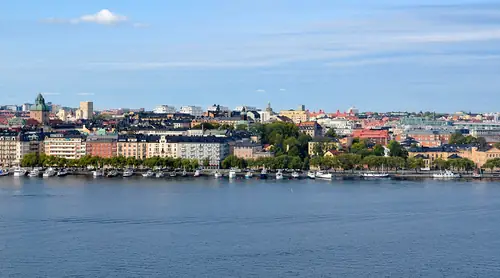 🇸🇪
Stockholm
SwedenFourteen islands stitched together by bridges and water, where medieval alleys, austere modernist design, and Scandinavia's best-funded museums all sit within walking distance of each other.
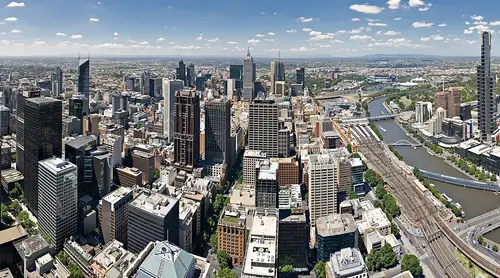 🇦🇺
Melbourne
AustraliaLaneways of street art and coffee roasters behind a grid of Victorian arcades, a tram network that's free in the centre, and a city that treats sport and brunch with equal seriousness. Australia's cultural capital, and it will tell you so.
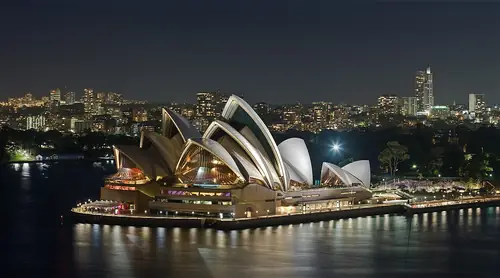 🇦🇺
Sydney
AustraliaA harbour city where the commute is a ferry and the beach is on the bus route. Expensive, outdoors-obsessed, and about as easy as long-haul travel gets for an English speaker.
Seattle or…?
Side-by-side cost comparisons with another guide.
Or weigh it against the other United States guides: