🇫🇷Bordeaux
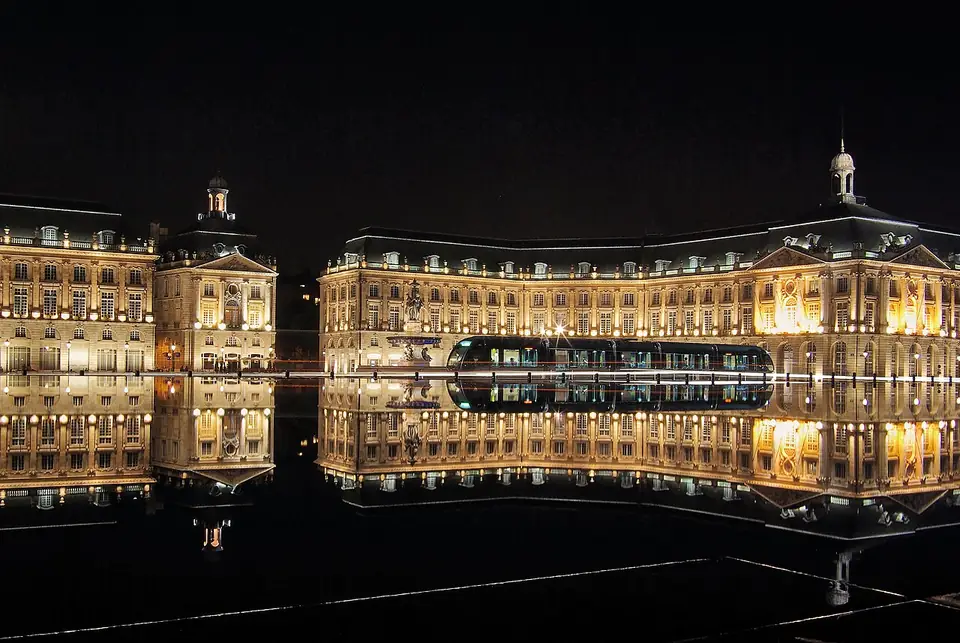
Elegant 18th-century stone, a UNESCO-listed city center, and the vineyards of Saint-Émilion and the Médoc a short drive away. France's wine capital, built for wandering on foot.
Mid-range figures, per person
Per person, no flights — those are just below. The mid-range figure is researched; budget and comfort scale it, so treat the two as rough. The trip calculator and hotels below break the day down properly.
Fares are into Paris. Nice, Lyon and Marseille sometimes price direct from the US for $50–150 more; the rest is a TGV ride. Ranges are typical fares booked 1–3 months out, checked mid-2026 — school-holiday peaks run higher, and patient shoppers beat the bottom end.
Prices checked · how we work these out
Is Bordeaux expensive to visit?
Somewhat: a mid-range day in Bordeaux costs $95–150 per person, and its $120 midpoint is 33% above the $90 median across all 127 cities here. Within France it runs 6% below the $127 average of our 10 France guides. That makes it pricier than 90 of the 127 cities, with a cheap meal at $7–12 and a mid-range hotel at $110–190 a night.
How much does a trip to Bordeaux cost?
| Trip length | Budget | Mid-range | Comfort |
|---|---|---|---|
| 3 days | $165–270 | $285–450 | $510–810 |
| 5 days | $275–450 | $475–750 | $850–1,350 |
| 7 days | $385–630 | $665–1,050 | $1,190–1,890 |
| 14 days | $770–1,260 | $1,330–2,100 | $2,380–3,780 |
Per person and before flights, 3 days in Bordeaux costs $285–450 mid-range, five days $475–750, a week $665–1,050 and two weeks $1,330–2,100; a week costs about $385–630 on a budget and $1,190–1,890 travelling in comfort.
Per person in US dollars, flights not included. Each total is a daily range from the band above multiplied out: mid-range is the guide's researched figure and already includes a mid-range room; budget and comfort scale it by 0.6 and 1.8, so treat those two as rough. The trip calculator lets you set your own days and group size.
Entry & visa
France is Schengen: US, UK, Canadian, Australian, and most other Western passports get 90 days visa-free. Check the ETIAS travel authorization status before flying, as it's being phased in.
Visa rules turn on your nationality and change often — always confirm the current requirement for your own passport with an official government source before you book.
Quick facts
Money & what things cost
Cards are accepted almost everywhere, including small wine shops and the tram system. Keep a little cash for the Marché des Capucins food market and smaller village wineries outside the city. Bordeaux runs cheaper than Paris and Nice, closer to Lyon's price level.
What locals earn
| Earnings | Amount | Note |
|---|---|---|
| Average monthly salary (net, Bordeaux) | ≈ €2,250 ($2,450) | wine and tourism sectors skew the mix |
| Minimum wage (SMIC, net) | ≈ €1,430/month ($1,550) | common in hospitality and vineyard seasonal work |
Food & drink
| Item | Local price | ≈ USD |
|---|---|---|
| Canelé or pastry from a boulangerie | €2–4 | $2.20–4.30 |
| Café lunch formule | €14–20 | $15–22 |
| Market lunch, Marché des Capucins | €10–16 | $11–17 |
| Mid-range dinner, per person | €30–50 | $33–54 |
| Wine-bar tasting flight | €15–30 | $16–33 |
| Glass of good Bordeaux at a bar | €6–12 | $6.50–13 |
Transport
| Item | Local price | ≈ USD |
|---|---|---|
| Tram/bus ride (TBM) | €1.80 | $1.95 |
| Day pass, TBM | €5.20 | $5.65 |
| Taxi across town | €12–20 | $13–22 |
| Airport (BOD) → center, Jet'Bus | €8 | $8.70 |
| Airport → center, taxi | €35–45 | $38–49 |
| Train day trip to Saint-Émilion (~40 min) | €9–12 | $9.80–13 |

Where to sleep & what it costs
| Tier | Per night | Notes |
|---|---|---|
| Hostel dorm | €28–45 ($30–49) | Clustered near the train station and along the quays |
| Budget hotel (2★) | €75–120 ($82–130) | Good value in the Chartrons and Saint-Michel areas |
| Mid-range (3–4★) | €120–190 ($130–207) | Central golden-stone buildings often hide modern rooms |
| Luxury / vineyard château | €350+ ($380+) | A night at a working château outside the city is a memorable splurge |
Been recently? Check our prices
One tap per figure. Check-ins reset whenever this guide is re-priced, so they only ever vouch for the numbers you see here.
Trip cost calculator
$120 per person per day · 4 nights of lodging (Mid-range (3–4★))
A rough estimate, not a quote. The daily budget already includes a room, so one traveler pays exactly days × that budget; lodging is the room’s part of it, priced from the hotels below but never more than 45% of the trip. Extra travelers share the room and add only their own spending. Flights use the midpoint of the Getting there ranges above.
Getting around
- From the airport
- Bordeaux–Mérignac (BOD) connects via the Jet'Bus express (~35 min, €8) straight to the train station and center. A taxi runs €35–45 and takes about 25 minutes.
- Trams (TBM)
- Three sleek, wire-free-in-the-center tram lines cover the city extremely well — Line A and Line B both reach the historic core and Place de la Bourse. Buy tickets from platform machines or the app.
- Trains for wine country
- Saint-Émilion is a scenic 40-minute regional train ride; the Médoc's château routes are better done by an organized half-day tour or rental car, since public transit thins out among the vineyards.
- On foot & by bike
- The 18th-century center is flat, elegant, and entirely walkable — the riverside quays alone make for a beautiful hour-long stroll. Bordeaux's bike-share (VCub) and wide bike lanes make cycling a genuinely pleasant option too.
Map
Drag to look around, or open Google Maps ↗ · Apple Maps ↗

Neighborhoods to stay in
- Saint-Pierre / Golden Triangle
- The historic heart — grand squares, boutique shopping, walkable to everything.
- Chartrons
- Former wine-merchant quarter, now antique shops and relaxed cafés, a short tram ride from the center.
- Saint-Michel
- Bohemian and multicultural, home to the Saturday market at the basilica, better value than the center.
- Near the train station (Bordeaux-Saint-Jean)
- Practical for day trips to wine country, less atmospheric than staying centrally.

Things to do
Nightlife
Restaurants
Theater & shows
Tipping & etiquette
- Wine tastings have a rhythm — swirl, sniff, sip, and it's completely normal to spit and not finish a glass, especially when visiting several châteaux in a day.
- Calling it 'Bordeaux wine' to a local is fine, but many take real pride in their specific appellation (Saint-Émilion, Pauillac, Margaux) — showing you know the difference goes a long way.
- Many shops and even some restaurants close for a couple of hours at lunch — plan around a proper midday break rather than grazing.
- Dress is generally smart-casual, especially for wine-estate visits and dinner in the center — beachwear-casual reads as out of place here.
How to spend a trip to Bordeaux
The wine isn't in the city. Every vineyard day means a train or a minibus out and most of a day gone, so decide early which days are Bordeaux days and which are Saint-Émilion or Médoc days.
One day covers the city, which is flat, elegant and smaller than its reputation. It does not cover the vineyards, and pretending otherwise is how people end up doing neither properly.
- MorningThe 18th-century center on foot: Place de la Bourse, the Miroir d'eau and the quays, before the reflecting pool fills with people.
- MiddayLunch at the Marché des Capucins, which is where the city actually shops.
- AfternoonLa Cité du Vin, out along the river by tram — the one sight worth leaving the walkable core for.
- EveningLe Bar à Vin du CIVB for around thirty regional wines by the glass, then dinner in Saint-Pierre.
Three days is the shape this guide argues for: two half-days of wine country beats one long rushed one, so give each region its own day.
- Day 1The city day above: the quays, the market, La Cité du Vin.
- Day 2Saint-Émilion by regional train, which you can do entirely under your own steam.
- Day 3The Médoc by organized tour, so nobody in your group has to skip the wine in order to drive. Dinner at La Tupina to finish.
Five is one day past what this guide would ask for — two for the city, one or two for the vineyards. Bordeaux absorbs the extra gracefully, but spend it outside the center rather than hunting for a fifth city sight.
- Days 1–3The three-day plan above: the city, Saint-Émilion, and the Médoc.
- Day 4Chartrons and Saint-Michel at a slow pace: antique shops, the market by the basilica, and a lunch you don't hurry. This tends to be the day people remember.
- Day 5Somewhere else entirely. Toulouse is a straightforward TGV ride and is a different kind of southwest city — better as an onward stop than a return trip.
Safety & common scams
One of France's calmer, more orderly big cities for visitors — the historic center and riverside are comfortable to walk at night. Ordinary pickpocket awareness in crowds and on trams is the main precaution worth taking.
Scams to know
- Overpriced 'wine tasting' storefronts aimed at tourists in the Golden Triangle — reputable tastings are usually at recognized wine bars or booked estate visits, not walk-in shopfronts with aggressive touts.
- Fake petitions or distraction schemes near Place de la Bourse and the tram stops — the same pattern seen across French cities; keep walking and keep bags zipped.
- Unlicensed taxis at the airport or station — use the official rank or the Jet'Bus.
Emergency numbers: 112 for everything · pharmacies (green cross) handle minor issues well
Phone & internet
An eSIM bought before arrival (Airalo, Holafly) works the moment you land; EU SIMs roam for free. Free Wi-Fi is common in cafés and along the quays.
First-timer FAQs
Do I need a car to visit the vineyards?
Not necessarily — Saint-Émilion is an easy train trip on your own, and half-day or full-day organized tours (by minibus, with tastings included) cover the Médoc châteaux without anyone needing to skip the wine to drive.
Is one day enough for wine country?
One day gives you a solid taste of either Saint-Émilion or the Médoc, but not both — first-timers often wish they'd budgeted two separate half-days rather than rushing one long one.
Is Bordeaux walkable, or do I need transit?
The historic center is compact and made for walking. You'll want the tram mainly for the train station, the airport bus connection, and reaching La Cité du Vin, which sits a bit further out along the river.
How many days do I need?
Two days covers the city center, the Miroir d'eau, and La Cité du Vin comfortably. Add one or two more for vineyard day trips — most visitors find that's what makes the trip worth the flight.
Similar cities to consider
 🇭🇺
Budapest
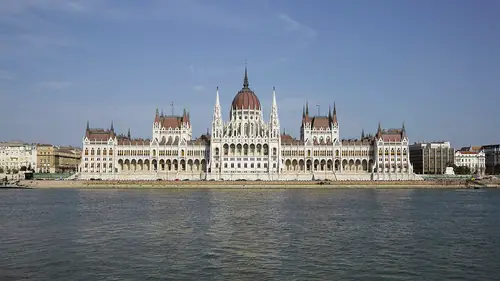
HungaryTwo cities glued together by bridges: hilly, castle-topped Buda and flat, loud, café-lined Pest, with a river of hot springs underneath both. Grander than you expect, cheaper than Vienna, and no longer the bargain it was ten years ago.
 🇨🇿
Český Krumlov
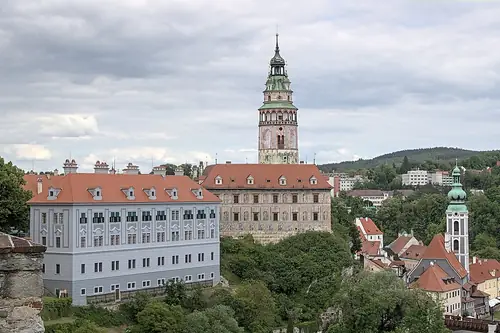
CzechiaA red-roofed medieval town inside a double loop of the Vltava, under a castle almost as big as the town itself. Tiny, very beautiful, and full of day-trippers from ten to four — so sleep here and have it to yourself.
 🇰🇷
Seoul
South KoreaSix-hundred-year-old palaces between glass towers, mountains at the end of the subway line, and a city that genuinely does not sleep. The easiest big Asian city for a first-timer, and cheaper than Tokyo.
Bordeaux or…?
Side-by-side cost comparisons with another guide.
Or weigh it against the other France guides: